
Consider this the ideal state of your life when you are doing what you love doing most of the time.
Do you think this is realistic to achieve with your career? With the careers of your team members?
“Whether you think you can, or you think you can't - you're right.”
There are people in all sorts of jobs that are absolutely joyful in their work. There are people in those same jobs that are absolutely miserable and everywhere in-between.
Don’t confuse joyfulness with happiness at work. Happiness is momentary and usually based upon external factors like the cool videos we all see about tech companies. Joy is internal and long-lasting.
As a leader you will get the most out of your team in terms of both retention and what Mark Breslin calls “Discretionary Effort” if you can improve engagement to this level.
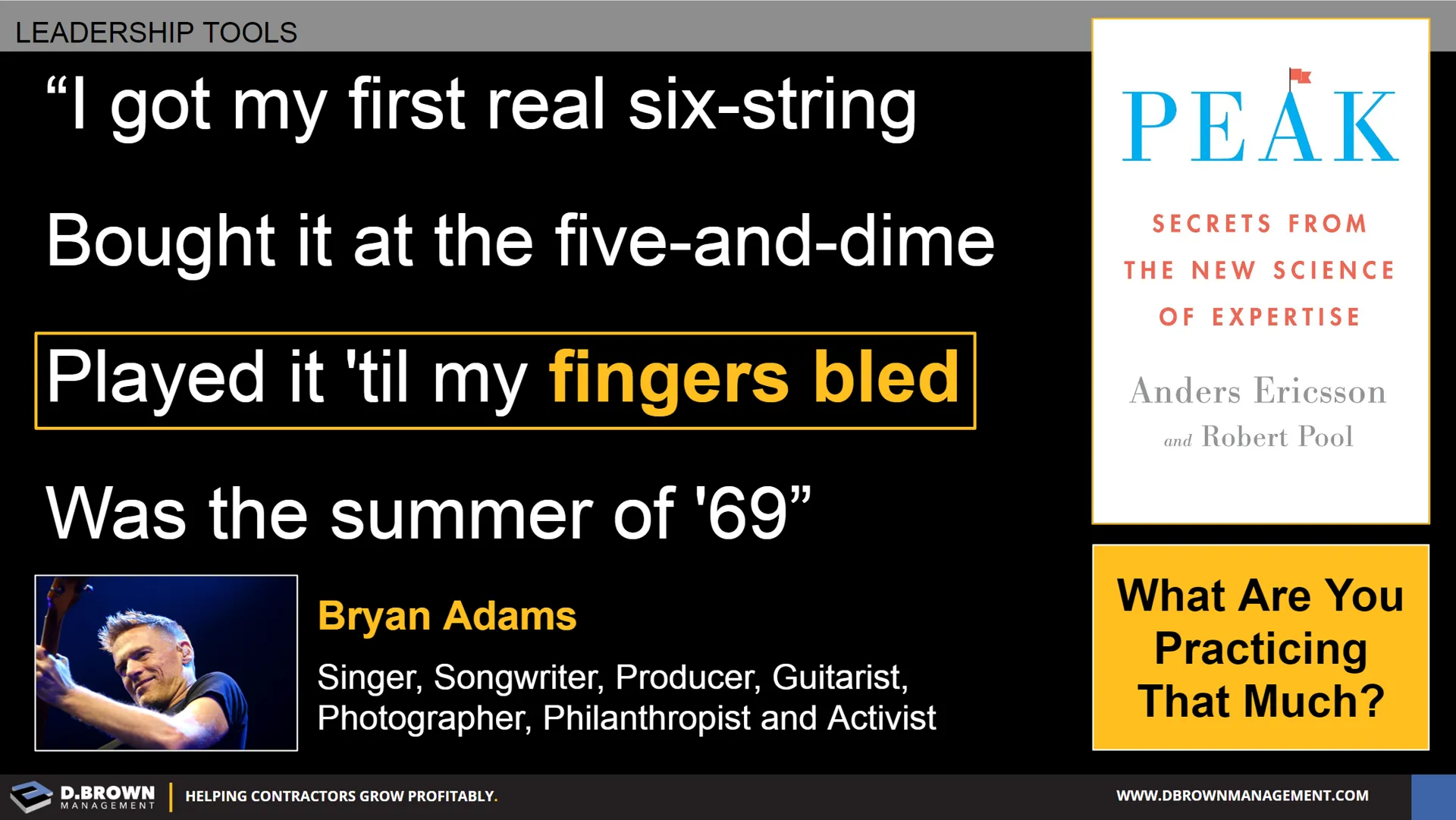
- Peak: Developing deep competencies. People tend to love doing things they are very good at.
- Triggers: Great advice about how to improve employee engagement by asking the right types of questions and forming the right daily habits.
As a leader your team will never be more engaged or love their work more than you do.