
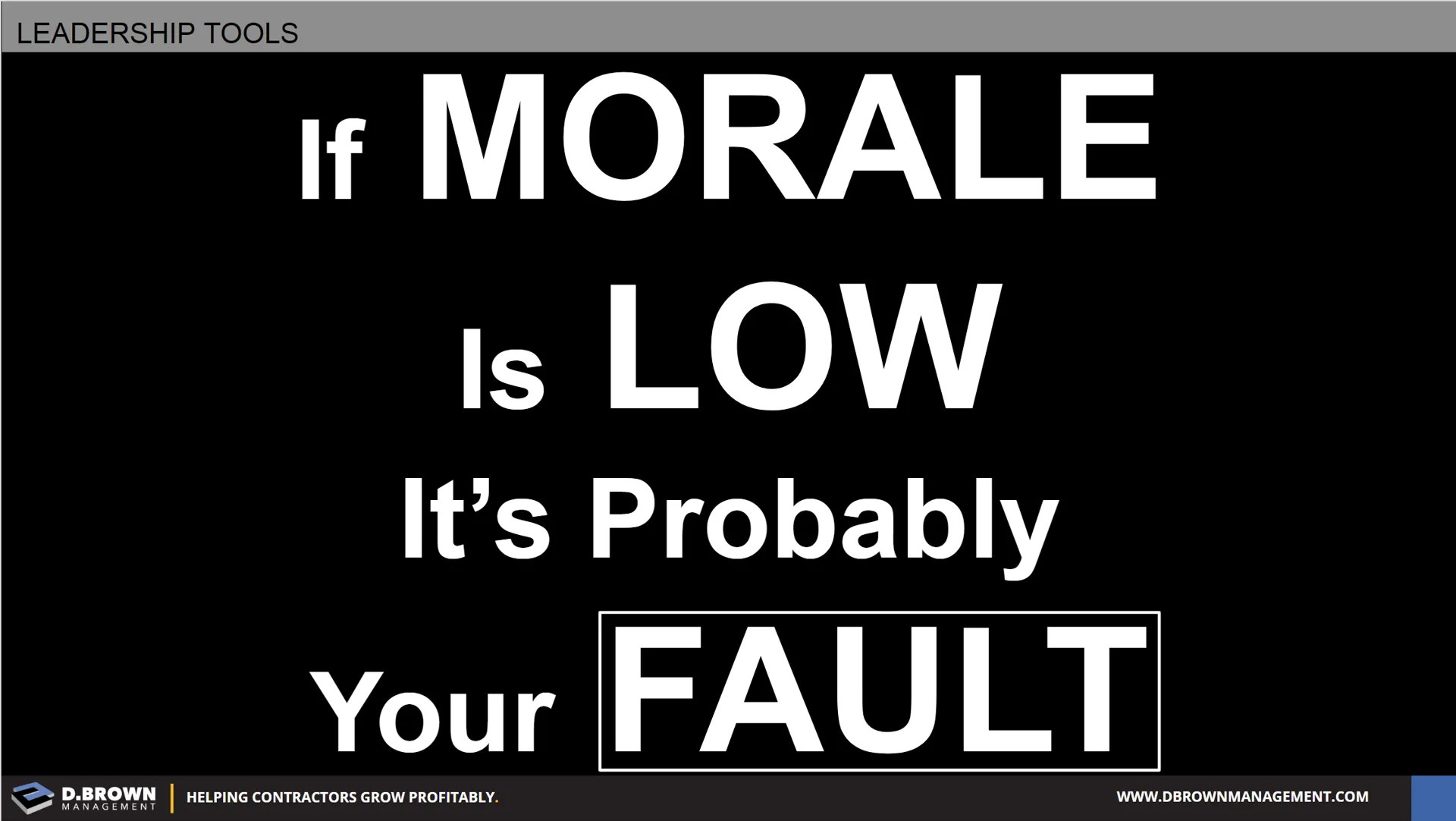
Those words sound harsh but let’s unpack them a little bit and see if we can improve team morale.
- Realize that there is only one person on the planet who any of us have total control over and that is ourselves.
- Realize that everything that happens to us is simply input. It is how we react that determines our outcome and we are in control of that.
“The only difference between criticism and feedback is the way you hear it.”
-Relentless by Tim Grover
“Between stimulus and response there is a space. In that space is our power to choose our response. In our response lies our growth and our freedom.”
- Realize how contagious attitudes are both good and bad. While we can’t truly control what others are thinking we can influence them whether we are an intern, apprentice or the CEO.
- How much do you choose to let the moods of others impact your mood?
- If someone is influenced by your mood will it improve or detract from their lives?
- Realize that positive attitudes, great team morale and success are more connected than most people give them credit for.
“I don’t know if optimism leads to success but I’ve met way more successful optimists than successful pessimists.”
“Whether you think you can or think you can’t; you’re probably right”